
Medical Lab Technician Job Description: Trends, Salary & Requirements
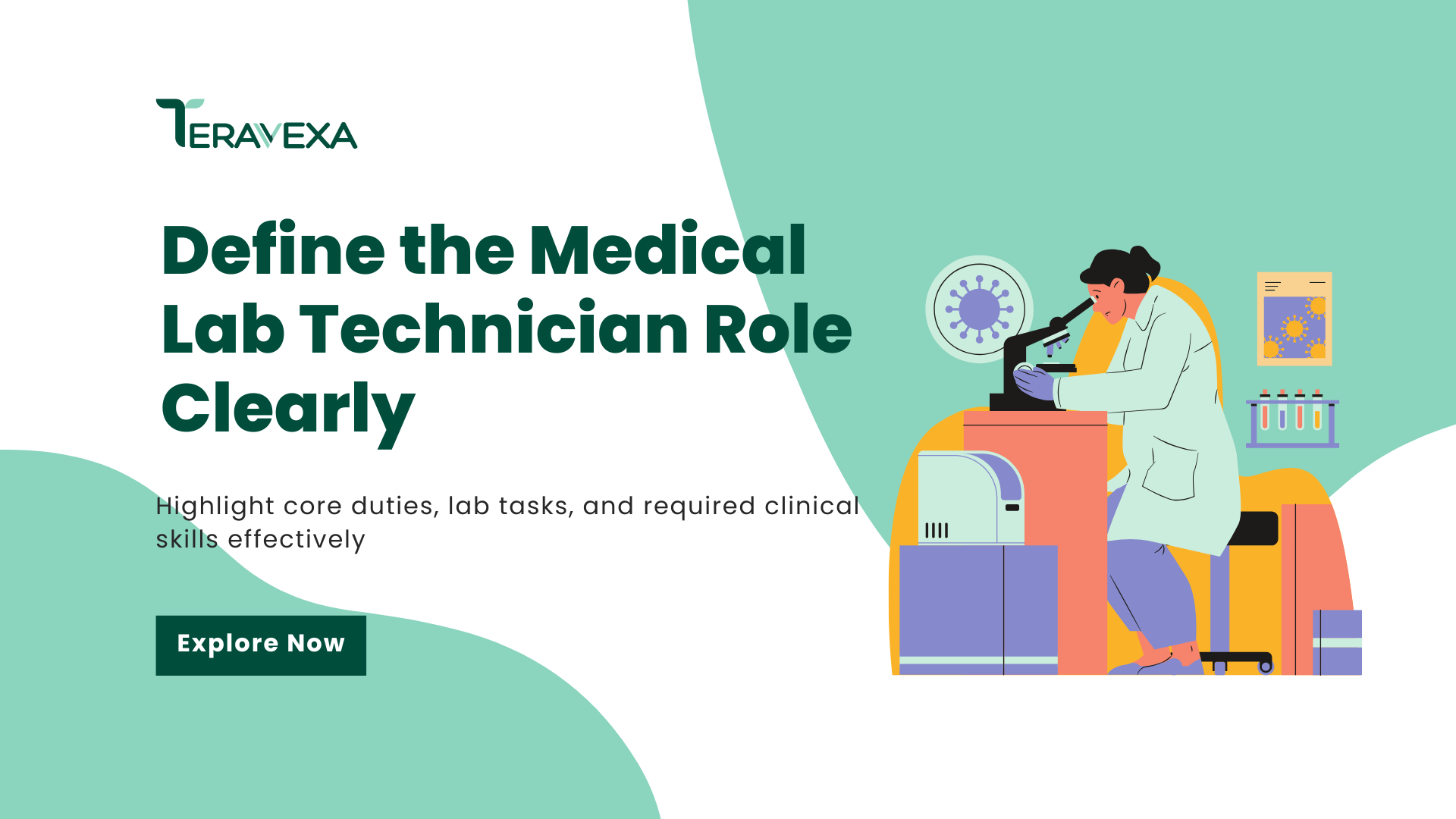
As healthcare continues to advance at an unprecedented pace, the importance of the medical laboratory technician (MLT) role has never been more apparent. The precise and critical work performed by MLTs is foundational to disease detection, diagnosis, and treatment.
For HR professionals involved in clinical laboratory recruitment and workforce planning, a thorough understanding of the evolving job duties of a medical laboratory technician, current medical lab technician job description salary benchmarks, and laboratory technician qualifications is essential.
This comprehensive guide explores the latest trends influencing MLT roles, identifies current industry challenges, and highlights emerging opportunities. By delving into the essentials of the job description for a medical lab technician and the requirements for a lab technician, HR professionals will be better equipped to develop impactful role specifications and attract top talent.
Understanding the Role of Medical Laboratory Technicians
At its core, a medical lab technician job description centers on the analysis of bodily fluids, tissues, and other specimens to generate vital healthcare data. Medical laboratory technicians operate sophisticated analytical equipment, interpret test results, and work closely with physicians and healthcare teams.
Common job duties of a medical laboratory technician include:
- Preparing and labeling patient samples
- Conducting chemical analyses of blood, urine, and other specimen types
- Operating, calibrating, and maintaining laboratory equipment
- Recording, interpreting, and communicating results to healthcare professionals
- Ensuring compliance with safety and quality assurance standards
The clinical medical lab technician job description may vary depending on the healthcare setting. For example, technicians in hospitals may handle a broader range of urgent testing than those in specialized labs. However, standard requirements for a lab technician consistently emphasize problem-solving abilities, attention to detail, and adherence to precise quality procedures.
Healthcare innovation continues to expand MLT roles. As a result, HR leaders must anticipate changes in both the scope and complexity of the job description for medical lab technician positions to remain competitive in talent acquisition and retention.
Emerging Trends Shaping the Future of MLTs
Advances in Technology
Automation and AI Integration
Automation and artificial intelligence (AI) are revolutionizing laboratory workflows. Modern analyzers and laboratory information systems (LIS) streamline repetitive, high-volume tasks such as sample processing, data entry, and results validation, allowing MLTs to focus on complex analytical functions. AI-powered tools can identify patterns and anomalies in test results, supporting quicker and more accurate diagnostics (Mayo Clinic, 2023).
As labs integrate new technologies, expectations for technical proficiency continue to rise. The requirements for a lab technician now often include experience with digital data management and an understanding of advanced instrumentation. These expectations are reflected in updated medical lab technician job descriptions, which highlight adaptability and digital fluency as key competencies.
Point-of-Care Testing
Point-of-care testing (POCT) moves diagnostic capabilities from the central lab directly to the patient’s side - across emergency departments, clinics, and even remote/home settings (World Health Organization, 2023). POCT enables rapid clinical decisions, often in critical situations, but adds complexity to the MLT role.
MLTs must now:
- Operate a variety of portable, patient-facing testing devices
- Manage and integrate decentralized data into overarching health records
- Deliver immediate results and explanations in real-time clinical settings
Consequently, job descriptions for medical lab technicians increasingly require flexibility, strong communication skills, and comfort with varied work environments.
Changing Healthcare Needs
Personalized Medicine
The rise of personalized medicine is rapidly re-shaping laboratory operations. Genetic and molecular diagnostics tailored to individual patient profiles have become prevalent in many clinical workflows (National Institutes of Health, 2023). As such, the clinical medical lab technician job description now often includes expertise in molecular diagnostics, data security, and advanced analytical techniques.
This trend indicates that laboratory technician qualifications will increasingly emphasize training in genomics, bioinformatics, and the operation of next-generation sequencing systems, ensuring technicians are capable of managing and interpreting complex datasets.
Telemedicine and Remote Monitoring
The rapid adoption of telemedicine, particularly since the COVID-19 pandemic, underscores the ongoing value of laboratory data in virtual care. MLTs support remote patient care by processing specimens collected off-site and ensuring secure, accurate data transfer (American Medical Association, 2023).
In terms of requirements for a lab technician, digital literacy, adaptability, and experience with electronic health records (EHR) systems have become fundamental. Today's job duties of a medical laboratory technician now include supporting both traditional laboratory operations and distributed care models.
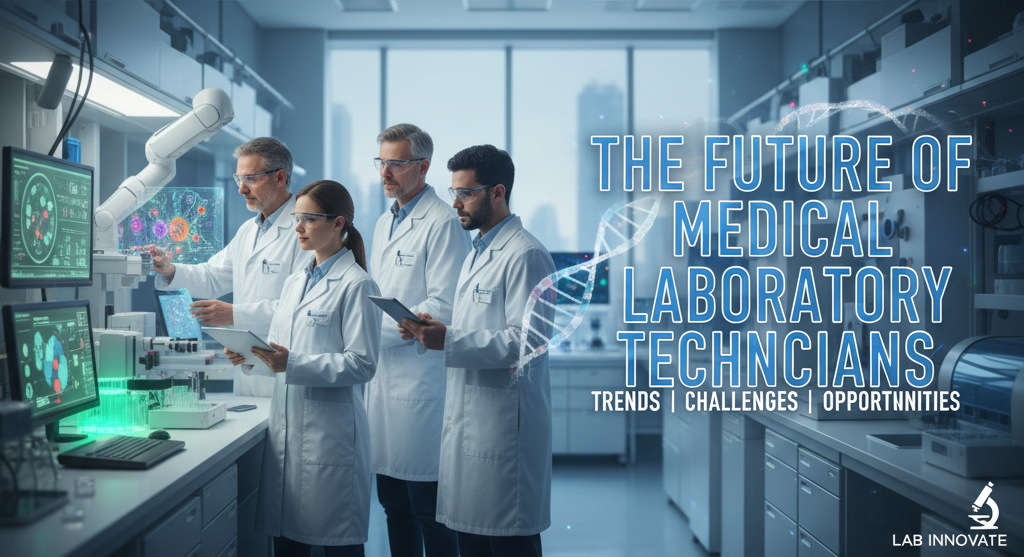
Challenges Facing MLTs
Workforce Shortages
The healthcare sector faces significant shortages of qualified laboratory personnel. According to the American Society for Clinical Pathology (2023), this shortage is driven by several factors:
- Retirement of experienced staff
- Lengthy and challenging educational requirements
- Competition from other healthcare fields
- High turnover due to workload demands
For HR professionals, crafting an appealing medical lab technician job description salary package, alongside a supportive workplace culture, is increasingly vital. Strategies such as tuition assistance, flexible scheduling, and clear advancement opportunities can help address these workforce challenges.
Regulatory and Ethical Considerations
Advancements in genetic testing, AI-based diagnostics, and widespread use of electronic health data have amplified regulatory and ethical concerns. Data security, patient confidentiality, and ethical standards are now central components of job descriptions for medical lab technicians (Centers for Disease Control and Prevention, 2023).
To ensure compliance, requirements for a lab technician should include verifiable ethics training, regulatory compliance knowledge, and the ability to adapt to new legal requirements. Ongoing education regarding privacy laws (such as HIPAA) and emerging bioethical issues is a must for organizations prioritizing trust and transparency.
Opportunities for Growth and Development
Specialized Training and Certification
To align with the evolving demands of clinical care, many MLTs pursue advanced certifications in specialties such as molecular biology, cytogenetics, and flow cytometry (Clinical Laboratory Science Journal, 2023). These credentials signal enhanced expertise and can open doors to specialized positions and increased compensation. Notably, the medical lab technician job description salary frequently correlates with advanced certification and specialization.
Typical laboratory technician qualifications now include:
- Associate degree in clinical laboratory science or medical laboratory technology
- State or national certification (such as ASCP or AMT)
- Graduation from accredited training programs
- Ongoing acquisition of professional education units (PEUs)
Healthcare organizations that provide support for ongoing education and certification demonstrate their commitment to innovation and excellence.
Embracing Continuous Learning
With the accelerating pace of technological change and precision medicine, ongoing professional development is essential for laboratory advancement (Journal of Medical Laboratory Science, 2023). Online courses, skills workshops, and advanced seminars enable MLTs to remain proficient with new technologies and best practices.
For HR leaders, this means budgeting for continuing education, fostering environments of knowledge sharing, and incorporating “commitment to lifelong learning” into every job description for medical lab technician positions.
The Future of Continuous Learning: Trends, Benefits, and How to Foster a Learning Culture
Leadership and Management Roles
As MLTs gain experience, they often pursue supervisory or managerial roles within lab operations (Lab Manager Magazine, 2023). These positions involve responsibilities such as:
- Overseeing day-to-day laboratory activities
- Training and mentoring junior staff
- Developing and implementing laboratory protocols
- Coordinating with physicians, administrators, and compliance professionals
Effective leadership is crucial for managing complex, rapidly changing laboratory environments. Modern clinical medical lab technician job description templates frequently outline opportunities for career progression and leadership development. HR teams should seek to identify emerging leaders through mentorship, professional development, and cross-training initiatives.
Conclusion
Medical laboratory technology is experiencing transformation driven by technological innovation, digital health integration, and the rise of patient-centered care. For HR professionals, keeping pace with these shifts requires continual updates to the medical lab technician job description, a thorough understanding of the requirements for a lab technician, and agile talent management strategies.
Investing in continuous learning, regulatory expertise, and adaptability prepares laboratory teams to meet contemporary healthcare challenges while opening avenues for specialized advancement and leadership. By proactively addressing these trends and opportunities, HR professionals ensure organizational competitiveness, regulatory compliance, and the ongoing delivery of exceptional patient care.
Create Clear Role Descriptions With Ease
Ready to enhance your hiring and talent management success?
Create Clear Role Descriptions With Ease
References
American Medical Association. (2023). Telemedicine in healthcare. Retrieved from [website].
American Society for Clinical Pathology. (2023). Workforce shortage in healthcare. Retrieved from [website].
Centers for Disease Control and Prevention. (2023). Ethical standards in laboratory testing. Retrieved from [website].
Clinical Laboratory Science Journal. (2023). Certifications for medical laboratory technicians. Retrieved from [website].
Journal of Medical Laboratory Science. (2023). Lifelong learning for laboratory professionals. Retrieved from [website].
Lab Manager Magazine. (2023). Career advancement in laboratory management. Retrieved from [website].
Mayo Clinic. (2023). Automation in laboratory settings. Retrieved from [website].
National Institutes of Health. (2023). Personalized medicine. Retrieved from [website].
World Health Organization. (2023). Point-of-care testing trends. Retrieved from [website].

About Nguyen Thuy Nguyen
Part-time sociology, fulltime tech enthusiast