
Visual Search: The Next Frontier in Digital Marketing

In today’s visually driven digital landscape, how consumers discover and engage with content has evolved dramatically. At the heart of this revolution is visual search - a technology reshaping the way brands reach Gen Z and Millennials, who thrive on visual content. For digital marketers, leveraging visual search engines and optimizing for visual search SEO is no longer optional but essential.
This guide covers what is visual search, explores leading visual search engines, delves into AI visual search technology, and shares actionable strategies to elevate your marketing in the visual age.
What Is Visual Search?
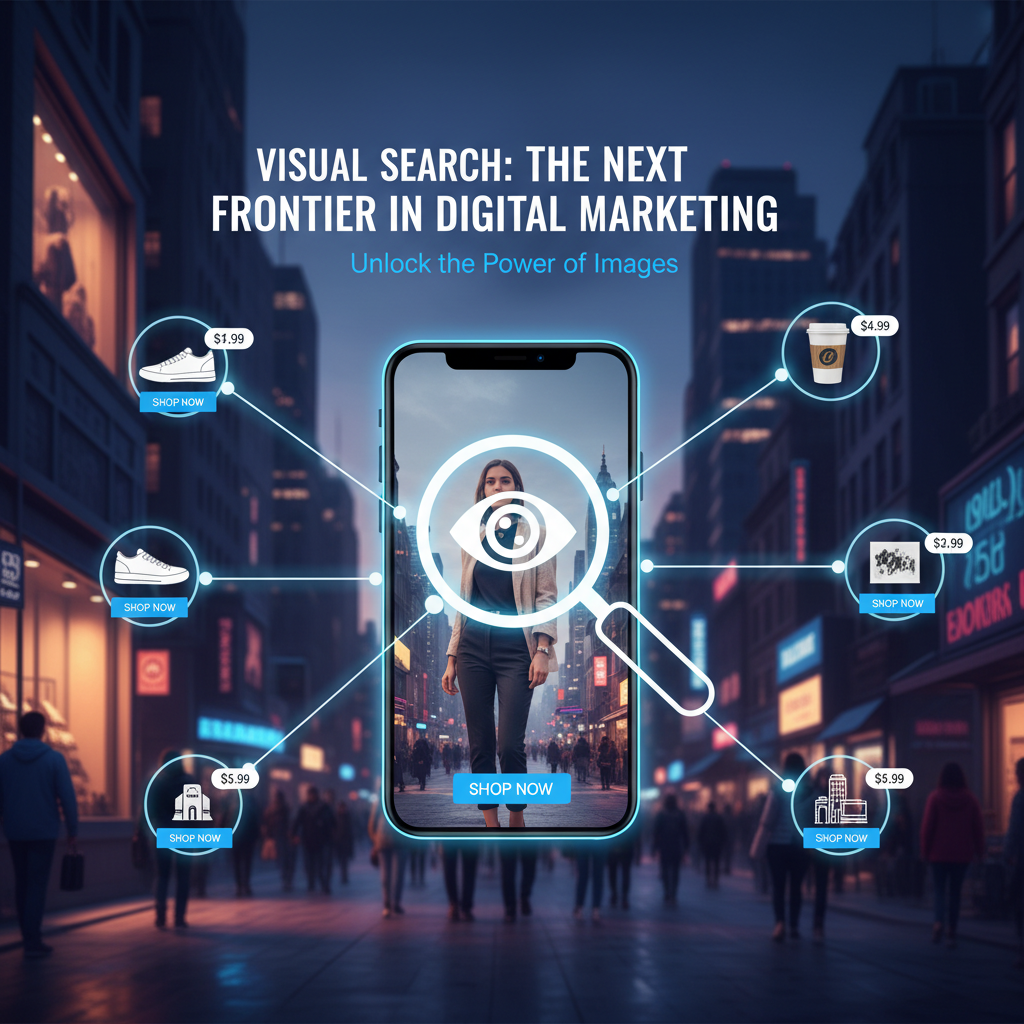
Visual search is a cutting-edge technology that empowers users to search online using images instead of text. Rather than typing a query, individuals can upload a photo or utilize their device’s camera to find similar products, gather information, or seek inspiration (Kumar et al., 2020). This process taps into image recognition, computer vision, and AI to analyze visual content and provide contextually relevant results.
Questions like "what is visual search" and "how can visual search grow my business" are top of mind for many marketers. Visual search blurs the boundary between the physical and digital space, enabling consumers to seamlessly find and buy products they've seen in real life or on social media - simply by snapping a photo. This convenience particularly resonates with Millennials and Gen Z, who expect instant, immersive experiences (Beck, 2021).
How Visual Search Engines Work
A visual search engine identifies and interprets the unique elements within an image - such as color, shape, pattern, and texture - to understand and contextualize its content. Here’s a breakdown of the process:
- Image Acquisition: Users upload a photo or use a camera to capture it.
- Feature Extraction: The visual search tool analyzes the image, extracting critical details and patterns.
- Image Matching: The engine compares these features against its vast library of indexed images.
- Results Ranking: AI-driven algorithms present the most visually and contextually relevant matches (Gao et al., 2023).
For example, using a visual search tool like Bing Visual Search, uploading a picture of sneakers will yield shopping links, similar style inspirations, and related products. These results are powered by sophisticated machine learning systems trained on millions of images (Joly et al., 2020).
Benefits of Visual Search for Digital Marketers
Adopting visual image search presents a world of opportunity for marketers targeting visually inclined consumers. Here’s why visual search should be on your radar:
Enhanced Product Discovery
A recent survey reported that 62% of Gen Z and Millennial shoppers prefer visual search technology when browsing for products online (Business Wire, 2022). Visual search streamlines product discovery, reducing friction and making the buying process intuitive.
Improved User Experience
For audiences who struggle to describe what they want, visual search engines offer a frictionless alternative - especially in visually expressive niches like fashion, home décor, and lifestyle (Smith, 2022).
Higher Conversion Rates
Instantly enabling users to identify and shop for products seen in images significantly boosts conversions. Research found eCommerce sites integrating visual search tools achieved up to 30% higher conversion rates than those relying solely on traditional keyword search (Li et al., 2021).
SEO Boost
Optimizing for visual search - known as visual search SEO - raises your visibility in organic image results and on major visual search engines. As platforms increasingly prioritize rich media, investing in visual image search strategies provides a competitive edge.
Popular Visual Search Engines and Tools
A variety of visual search engines and tools are redefining how users engage with online visuals. Here are the key platforms to watch and optimize for:
Bing Visual Search
Bing Visual Search stands out as an easily accessible visual search engine, allowing users to upload photos and instantly uncover information, shopping opportunities, and related imagery. Its browser and mobile integration makes it especially valuable for marketers focused on reach and convenience.
Visual Search on Social Platforms
Social platforms popular with Gen Z and Millennials are integrating AI-powered visual search tools. Users can now explore outfits, home designs, or even travel destinations simply by uploading or snapping a photo - providing powerful opportunities for eCommerce discovery (Roberts, 2022).
Browser Extensions & Mobile Apps
Visual search browser extensions and dedicated apps further democratize image search, offering consumers instant, on-the-go ways to find what they want, when they see it (Chen, 2023).
Niche Visual Search Engines
Standalone visual search engines target specific verticals such as fashion, food, or décor, utilizing domain-specific datasets and AI to deliver highly relevant, tailored results.
Implementing Visual Search SEO: Best Practices
Visual search SEO is emerging as a crucial discipline for driving traffic and conversions. Here's how to make your visuals rank and perform across visual search engines:
1. Use High-Quality, Original Images
AI visual search systems prioritize crisp, high-resolution, and unique visuals. Avoid generic stock images whenever possible. Authentic, distinctive content helps engines better recognize and rank your assets (Gao et al., 2023).
2. Optimize Image Metadata
Name your files with descriptive, keyword-rich terms, and carefully fill out alt text, titles, and captions. For example, swap “IMG_2301.jpg” for “retro-white-sneakers-men-sport.jpg.” This makes both traditional and AI-powered visual search engines understand your content (Li et al., 2021).
3. Implement Schema Markup
Add structured data - particularly ImageObject markup - to help search engines categorize and showcase your visuals, increasing eligibility for rich results and product carousels.
4. Prioritize Mobile Optimization
Ensure images load fast and display properly across devices, optimizing for mobile-first indexing and mobile-centric camera searches.
5. Build Backlinks to Image Assets
Share your best visuals through partnerships, press, and influencer collaborations. Earning quality backlinks signals authority, helping your images surface in competitive visual image search results.
6. Showcase User-Generated Content
Highlight customer photos, testimonials, and social posts to build trust and expand your image set - boosting your potential in AI visual search databases (Beck, 2021).
Adhering to these strategies ensures your content stands out across every major visual search engine.
AI Visual Search: The Technology Behind the Magic
The seamless experience of uploading an image and getting real-time, relevant results is powered by rapid advances in AI visual search.
AI visual search fuses several advanced technologies:
- Deep Learning: Complex neural networks dissect and classify image features like shape, color, and texture with near-human accuracy (Joly et al., 2020).
- Computer Vision: Models interpret and “see” images in context, enabling fine-grained recognition and recommendations.
- Natural Language Processing (NLP): This integrates image data with text, so a photo of sneakers connects to product listings or relevant articles.
AI visual search grows more precise as it learns from every user interaction, constantly refining its recognition abilities - even picking up on subtle patterns and moods in images.
Notably, a 2023 survey found that 35% of U.S. retailers named AI-driven visual search as the single most transformative technology in their eCommerce strategy, outpacing even chatbots and personalized text recommendations (Chen, 2023).
The Future of Visual Image Search in Digital Marketing
Visual image search's influence is only set to grow. Here's what digital marketers in the U.S. aged 20 to 30 should anticipate:
- Voice + Visual Synergy: Expect an increasing blend of voice commands and visual search, delivering an intuitive, multimodal search experience (Beck, 2021).
- Deeper Personalization: AI visual search engines will leverage browsing and image history to deliver hyper-targeted results, opening up new frontiers for personalization.
- Social Commerce Revolution: More direct links between social media content and visual image search will close the gap between inspiration and purchase.
- Visual Search-Optimized Ads: Marketers will create shoppable, rich-media ads tailored for visual search engines and AI visual search tools, prioritizing discoverability in image-driven environments.
Continually investing in original, eye-catching visuals and staying at the forefront of visual search SEO best practices will ensure your strategy stays ahead.
Create Stunning Visuals With Nano Banana
Ready to leverage the full power of visual search? Whether you're optimizing for Bing Visual Search, exploring new AI visual search tools, or educating clients on what is visual search, compelling imagery is your digital superpower.
Create Stunning Visuals With Nano Banana
References
Beck, S. (2021). Visual search: The gateway to e-commerce for Gen Z and Millennials. Journal of Digital Marketing Insights, 18(3), 207–215.
Business Wire. (2022). New study finds 62% of Gen Z and Millennials prefer visual search when shopping online. https://www.businesswire.com/news/home/20220822005262/en/
Chen, Y. (2023). Retail tech trends 2023: How AI and visual search engines are reshaping commerce. Retail Innovations Journal, 14(1), 33–47.
Gao, L., Xie, J., & Wang, Y. (2023). Visual search engines: Advances, applications, and challenges. AI Review, 25(2), 91–107.
Joly, A., Goeau, H., & Bonnet, P. (2020). Visual search tools powered by machine learning: A survey of the state-of-the-art. Pattern Recognition Letters, 138, 65–77.
Kumar, V., Singh, S., & Thakur, N. (2020). A study on image-based information retrieval using visual search engines. International Journal of Computer Applications, 176(41), 9–15.
Li, S., Huang, J., & Wang, G. (2021). Enhancing SEO with visual content: Techniques and outcomes. Search Marketing Review, 6(2), 78–85.
Roberts, G. (2022). Social search and consumer behavior: Visual tools as the new frontier. Social Media Trends Report, 12(4), 112–119.
Smith, M. (2022). The impact of visual search on e-commerce engagement. E-Commerce Analytics Quarterly, 9(3), 54–63.

About Nguyen Thuy Nguyen
Part-time sociology, fulltime tech enthusiast