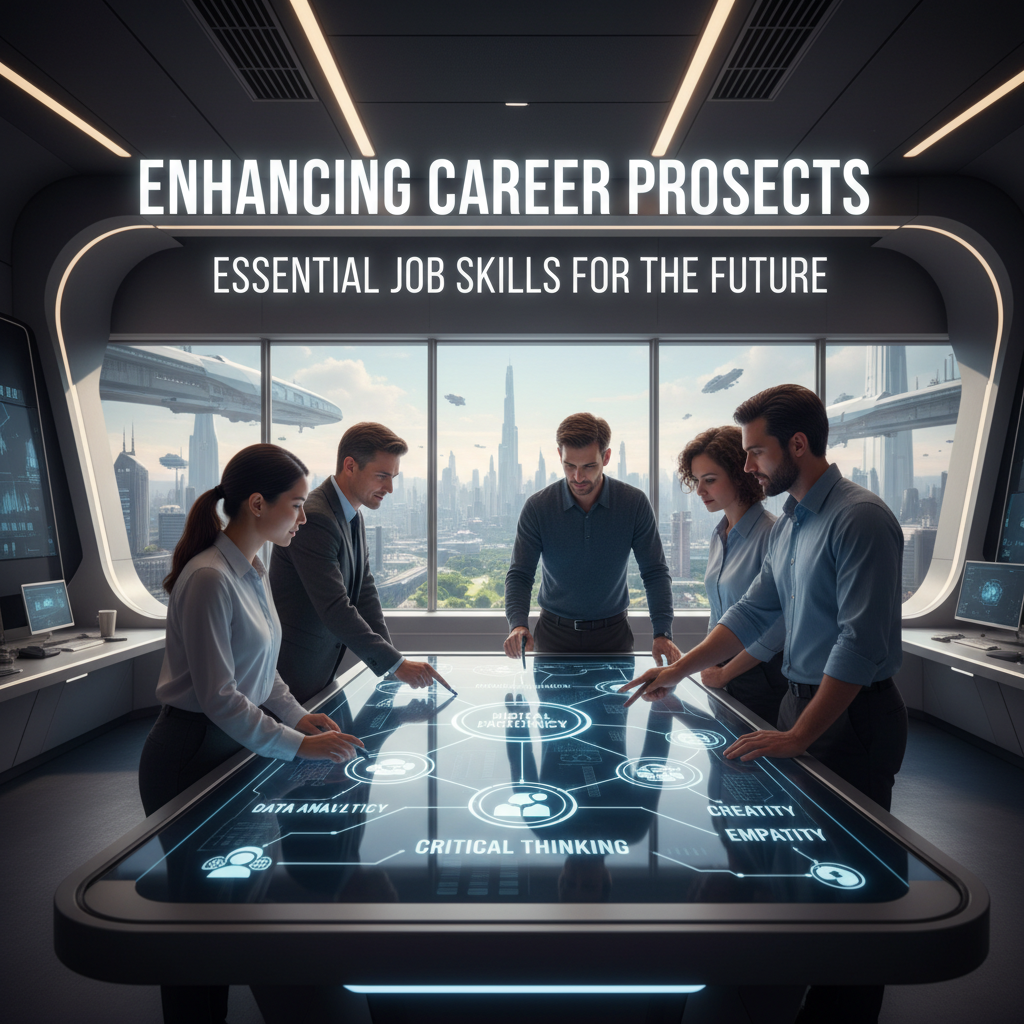
Enhancing Career Prospects: Essential Job Skills for the Future
In today’s rapidly evolving, technology-driven world, HR professionals must navigate a workforce landscape in constant flux. As digital transformation accelerates, the job skills essential for both employees and organizations to thrive are also changing.
Maintaining relevance and competitiveness will depend on an intentional commitment to developing both foundational and future-oriented skills for a job. This guide explores what is job skills, highlights the required job skills anticipated to be most in demand, and provides actionable steps to prepare yourself and your workforce for what’s next.
Understanding Job Skills
Before identifying the most vital skills for a job in the coming years, it’s important to clarify what is job skills. At its core, a job skill is a specific ability, knowledge, or expertise that enables someone to perform tasks related to a given role or occupation. Job skills generally fall into two primary categories:
- Hard Skills: Measurable, technical abilities acquired through education, training, or practice - such as data analysis, programming, project management, or expertise with specific tools and platforms.
- Soft Skills: Also called interpersonal or transferable skills, these relate to how individuals interact with others and manage their own behaviors. Key examples include communication, teamwork, adaptability, and problem-solving.
As industries transform due to emerging technologies, globalization, and shifting consumer expectations, balancing hard and soft job skills remains essential for workforce development. For HR professionals, this means carefully evaluating both skillsets when updating job descriptions or screening resumes to build a future-ready team.
Future Job Skills: What Will Be In Demand?
Digitalization and automation are redefining the list of required job skills. Half of all employees will require reskilling, particularly in technology-driven areas (Schwab, 2020). For HR professionals, understanding the top job skills for resume optimization and workforce planning is crucial.
1. Technological Literacy
Technology is now woven into nearly every function of modern work. From cloud collaboration to artificial intelligence, technological literacy is a fundamental job skill opening opportunities across all sectors.
Data Analysis and Interpretation
The explosion of big data demands a workforce adept at interpreting complex information to gain actionable insights. HR teams increasingly use data analytics for recruiting, performance management, retention strategies, and strategic workforce planning.
Artificial Intelligence and Machine Learning
AI and machine learning are rapidly transforming business operations. Even a conceptual understanding of these technologies is now a required job skill across departments - not just within IT roles (Schwab, 2020).
Statistic: “50% of all employees will need reskilling in technology by 2025” (Schwab, 2020).
How HR Can Lead:
- Champion regular upskilling through structured job skills training programs.
- Encourage employees to seek certifications in data analysis, AI fundamentals, or industry-relevant technology.
- Integrate technological literacy into job descriptions, job postings, and performance reviews.
2. Emotional Intelligence
While technical proficiency is crucial, emotional intelligence (EI) remains equally important for individual and organizational success. EI underpins communication, adaptability, and leadership - skills necessary for navigating change.
Empathy and Communication
Teams that practice empathetic and clear communication enjoy stronger collaboration, higher morale, and reduced turnover. For HR professionals, emotional intelligence is vital for conflict resolution, talent development, and shaping company culture.
Adaptability and Resilience
The speed of workplace change places a premium on adaptability and resilience. Professionals who embrace change, maintain productivity under pressure, and recover swiftly from setbacks are best positioned for long-term impact (Goleman, 2018).
Quote: “Organizations with high EI perform better, with improved employee engagement and lower turnover rates” (Goleman, 2018).
Job Skills Training Tips:
- Incorporate emotional intelligence workshops into learning and development (L&D) programs.
- Prioritize EI competencies in job postings, interviews, and performance evaluations.
- Foster a culture of feedback and continuous emotional growth.
3. Critical Thinking and Problem Solving
Complex, fast-changing environments demand strong critical thinking and creative problem-solving abilities. These are standout jobs skills for resume success and real-world impact.
Creative Solutions
Creativity is not just for design roles - it’s essential for developing innovative solutions to business, operational, and HR challenges.
Strategic Thinking
Strategic thinking means connecting long-term objectives with immediate decisions. Those who can analyze context, anticipate outcomes, and align actions accordingly stand out as organizational leaders.
A global survey confirms that creative problem-solving is increasingly sought after among managers and leaders (Bughin et al., 2018).
How to Cultivate These Skills:
- Incorporate real-world case studies and scenario planning into training.
- Facilitate brainstorming sessions and cross-functional collaborations.
- Encourage employees at all levels to participate in interdisciplinary teams.
Preparing for Job Skills Training
Developing future-ready skills is a journey, not a one-off event. Both professionals and HR leaders should champion ongoing job skills training to keep pace with workplace transformation.
1. Continuous Learning
Lifelong learning is essential for building and maintaining relevant skills for a job. HR plays an integral role in promoting this culture throughout an organization.
The Future of Continuous Learning: Trends, Benefits, and How to Foster a Learning Culture
Online Courses and Certifications
Platforms like Coursera and Udemy make it easy to develop or refresh job skills with courses covering everything from AI to leadership. Earning recognized certifications enhances resumes and job prospects.
Workshops and Seminars
Live or virtual workshops offer networking, immediate feedback, and immersion in current industry trends. Seminars also provide engagement and foster continuous professional growth.
HR Implementation Idea:
Offer professional development stipends or schedule quarterly in-house job skills training sessions that address both hard and soft skills.
2. Networking and Mentorship
Professional growth accelerates when knowledge is shared. Networking and mentorship expand learning beyond classrooms and digital training modules.
- Networking: Encourage employees to join industry associations, attend relevant conferences, and engage in online communities. This facilitates the exchange of insights around required job skills and emerging workforce trends.
- Mentorship: Implement mentorship programs pairing seasoned staff with those eager to develop essential jobs skills, fostering both knowledge transfer and leadership growth.
The Power of Mentorship Programs in the Workplace: Enhancing Professional Growth
3. Practical Experience
Retaining new skills requires real-world application.
- Projects and Internships: Assign staff to innovative projects or cross-functional teams to gain practical experience. Internships expose early-career professionals to diverse business aspects and job requirements.
- Job Rotation: Offer job rotation opportunities that build a broad set of job skills for resume development, including technical expertise, customer engagement, and leadership.
HR Integration Tip:
Include “key skills demonstrated” sections in performance reviews and encourage staff to document these experiences for future advancement and applications.
Conclusion
The future of work demands a proactive, strategic approach to skills for a job. By understanding what is job skills and identifying the most relevant abilities for coming workforce shifts, HR professionals and employees alike can stay ahead of change.
Prioritize technological literacy, emotional intelligence, and critical thinking to secure your team’s readiness for the future. Support continuous learning, networking, and practical experiences - ensuring your organization remains agile and competitive. Integrating these core job skills into your job descriptions, hiring practices, and development initiatives will attract, retain, and cultivate top talent.
As the workforce continues to evolve, those who actively grow and apply both hard and soft job skills will be #futureproof - for themselves, their teams, and their organizations.
Generate Job Descriptions in Minutes
Ready to align your workforce with the required job skills of tomorrow?
Generate Job Descriptions in Minutes
References
Bughin, J., Hazan, E., Lund, S., Dahlström, P., Wiesinger, A., & Subramaniam, A. (2018). Skill shift: Automation and the future of the workforce. McKinsey & Company. https://www.mckinsey.com
Goleman, D. (2018). The emotional intelligence framework. Harvard Business Review. https://hbr.org
Schwab, K. (2020). The future of jobs report 2020. World Economic Forum. https://www.weforum.org

About Nguyen Thuy Nguyen
Part-time sociology, fulltime tech enthusiast