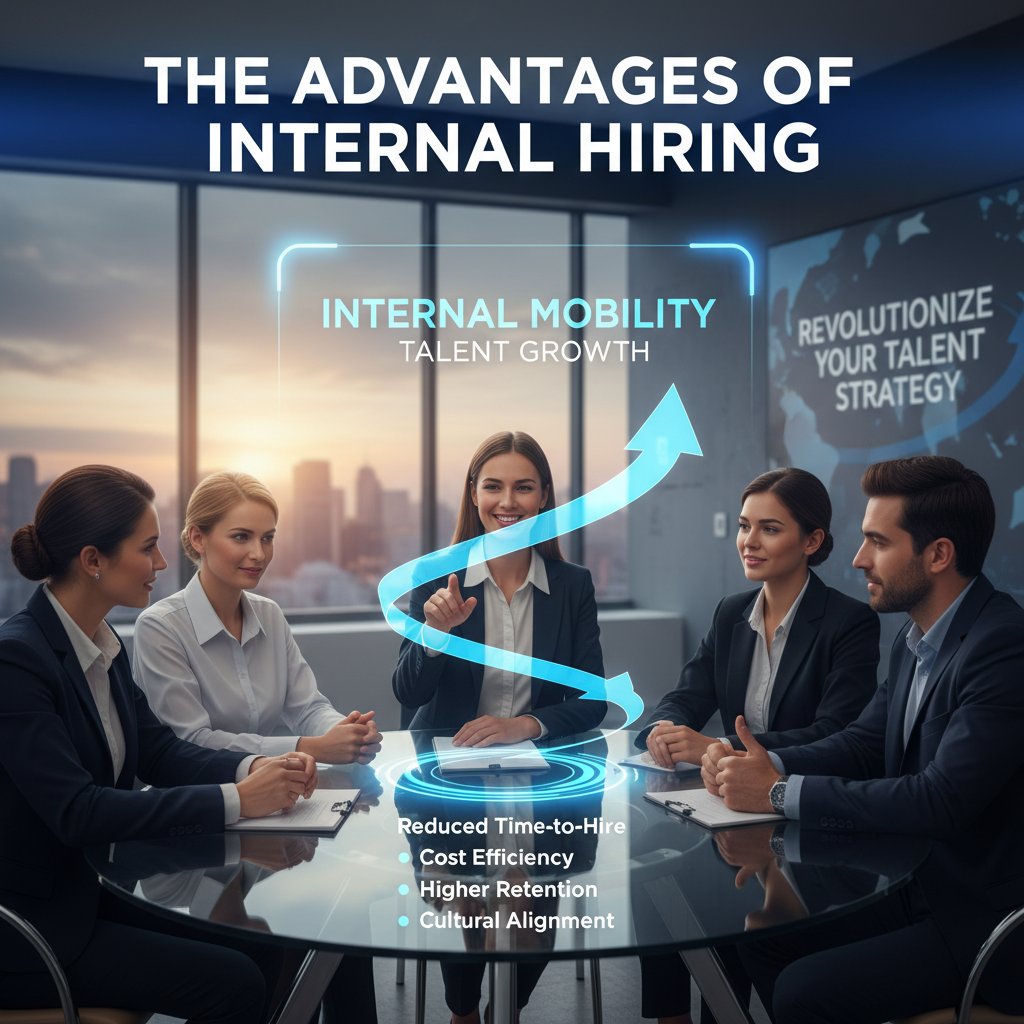
The Advantages of Internal Hiring: Revolutionizing Your Talent Strategy
Internal hiring is the process of identifying and advancing current employees to fill open positions within an organization, instead of sourcing talent externally. In practice, this means that when a vacancy arises, the organization first looks inward to its workforce for candidates who are capable and ready to take on new responsibilities.
Internal hiring can involve promotions, lateral moves, departmental transfers, or temporary project assignments. This approach enables organizations to leverage employees’ institutional knowledge, skills, and familiarity with the company’s culture and values. For HR professionals, understanding what internal hiring is and how to implement it effectively is essential for building a robust, agile workforce and maintaining a competitive edge.
What Is Internal Hiring?
A well-defined internal hiring process ensures fairness, transparency, and success with every internal hire. While specific steps vary by organization, a standard internal hiring process typically includes:
- Identifying Open Positions: HR and people leaders determine which vacancies are suitable for internal recruitment.
- Communicating Opportunities: Jobs are advertised to employees via internal job boards, emails, or company meetings.
- Application and Selection: Interested employees formally apply or express interest, often with manager recommendations.
- Screening and Interviewing: Candidates are assessed based on job requirements, sometimes through interviews, skills assessments, or performance reviews.
- Decision and Offer: The best internal candidate is selected, and a formal offer is presented.
- Onboarding and Transition Support: HR facilitates a smooth transition with tailored onboarding, training, and support.
A consistent and transparent internal hiring process is key to reducing bias, increasing candidate confidence, and maximizing the benefits of hiring internally.
Key Benefits of Internal Hiring
Hiring from within offers extensive advantages, enabling organizations to meet business needs efficiently while enhancing workforce satisfaction and retention. Here are the leading benefits of internal hiring:
Improved Retention and Employee Engagement
A primary advantage of internal hiring is its positive effect on retention and engagement. Employees are significantly more likely to stay engaged and loyal when they see real opportunities for advancement. Research shows that organizations with strong internal mobility retain employees twice as long as those with limited advancement pathways (LinkedIn, 2020). Internal hiring demonstrates commitment to employee growth, reducing turnover and boosting long-term engagement.
Faster Onboarding and Ramp-Up
Internal hires are already familiar with company policies, expectations, and culture. As a result, they onboard faster and achieve productivity levels more rapidly than external candidates. Studies indicate that internal hires reach peak productivity an average of six months sooner than their external counterparts (Bidwell, 2011). This acceleration minimizes downtime and keeps teams functioning smoothly.
Lower Recruitment Costs
External recruitment often brings significant expenses, including advertising, recruitment agency fees, and extended onboarding. Internal hiring can slash these costs. According to the Society for Human Resource Management, external hires cost up to 20% more than internal hires after factoring in recruitment and onboarding expenditures (SHRM, 2017). Optimizing your internal hiring process conserves HR budgets and maximizes the value derived from employee investments.
Enhanced Cultural Fit
Cultural fit is a major predictor of success in any role. Internal hires have already proven their alignment with company values and ways of working, which reduces the risk of culture misfit and costly turnover. Teams where employees feel a strong sense of cultural connection deliver better performance and profitability (Gallup, 2020). The internal hiring process capitalizes on this unique alignment, supporting a high-performing workplace.
Fostering Leadership and Talent Development
Internal hiring is a strategic driver of leadership development and succession planning. Promoting from within allows organizations to build a reliable pipeline of future leaders. Internal candidates have a 61% greater likelihood of thriving in leadership roles compared to external hires (Groysberg & Connolly, 2015). Investing in existing talent encourages long-term growth and strengthens your organization’s ability to adapt to future challenges.
Boosted Morale and Employer Brand
The benefits of hiring internally extend to overall morale and the organization’s employer brand. When employees witness colleagues being recognized and promoted, it reinforces a culture of meritocracy and motivates others. Moreover, potential candidates are attracted to organizations known for developing talent internally. In fact, 87% of employees say internal mobility and professional growth are key criteria when evaluating employers (Glassdoor, 2019).
Challenges of Internal Hiring
While the benefits of internal hiring are substantial, HR professionals should also be aware of potential challenges:
- Risk of Stagnation: Relying exclusively on internal hiring may limit fresh perspectives and innovation. A balance between internal and external hiring helps to introduce new ideas.
- Internal Competition: If not managed transparently, internal hiring can spur unhealthy competition or resentment, especially if candidates feel overlooked or the process lacks fairness.
- Development Gaps: Not all positions will have suitable internal candidates ready to step up. Ongoing investment in employee development is necessary to sustain a robust internal hiring process.
Recognizing and addressing these factors helps HR teams optimize internal recruitment while minimizing drawbacks.
Best Practices for Effective Internal Hiring
To realize the full benefits of hiring internally, organizations should implement these best practices:
- Transparent Communication: Clearly advertise all internal job opportunities along with eligibility criteria to promote fairness and encourage participation.
- Objective Evaluation: Use structured, competency-based assessments to reduce bias in the selection process.
- Manager Training: Equip people leaders with tools and training to identify talent, conduct interviews, and support employees through transitions.
- Defined Career Pathways: Establish visible career development plans and succession frameworks to guide employee growth.
- Constructive Feedback: Offer actionable feedback to all internal candidates, and support those who were not selected with development plans for the future.
A strong culture of internal mobility, supported by these best practices and continuous employee development, empowers organizations to thrive and evolve from within.
Conclusion: Why Internal Hiring Strengthens Organizational Success
The advantages of internal hiring are compelling: higher retention, accelerated productivity, reduced recruitment costs, superior cultural alignment, and reliable leadership pipelines. For HR professionals keen to optimize their talent strategy, embedding a robust internal hiring process unlocks significant organizational value and strengthens workforce resilience.
As the talent landscape continues to evolve, leveraging the benefits of hiring internally ensures your organization is positioned for sustainable success. Prioritizing internal mobility not only boosts employee satisfaction but also secures a dynamic, future-ready talent pool.
Discover AI Tools to Optimize Internal Hiring
Ready to streamline your internal hiring process and unearth the hidden potential in your workforce? Let AI Find Qualified Candidates For You by harnessing cutting-edge people management technology.
References
Bidwell, M. (2011). Paying more to get less: The effects of external hiring versus internal mobility. Administrative Science Quarterly, 56(3), 369–407. https://doi.org/10.1177/0001839211433562
Gallup. (2020). State of the American workplace report. https://www.gallup.com/workplace/238085/state-american-workplace-report-2017.aspx
Glassdoor. (2019). Employee confidence survey. https://www.glassdoor.com/employers/blog/professional-development-key-to-engagement/
Groysberg, B., & Connolly, K. (2015). Great leaders who make the mix work. Harvard Business Review, 93(9), 68-76. https://hbr.org/2015/09/great-leaders-who-make-the-mix-work
LinkedIn. (2020). Global talent trends 2020. https://business.linkedin.com/talent-solutions/blog/trends-and-research/2020/global-talent-trends-2020
Society for Human Resource Management (SHRM). (2017). The cost of hiring. https://www.shrm.org/resourcesandtools/hr-topics/talent-acquisition/pages/the-cost-of-hiring.aspx

About Nguyen Thuy Nguyen
Part-time sociology, fulltime tech enthusiast