
Cardiologist Job Description: Roles, Duties, and Responsibilities
As the healthcare landscape continuously evolves, so does the field of cardiology. Advances in technology, shifting patient demographics, and innovative care methodologies are significantly transforming the job descriptions of cardiologists across all specialties. Whether you’re recruiting for general, interventional, pediatric, or invasive cardiology, understanding how these roles are changing is essential for HR professionals aiming to attract, develop, and retain top talent in this dynamic sector.
Understanding the Diverse Roles in Cardiology
General Cardiologists
General cardiologists anchor cardiac care, focusing on the evaluation, diagnosis, and management of a broad range of heart-related conditions. The job description of a cardiologist in this role typically includes:
- Conducting comprehensive patient assessments and reviewing medical histories
- Interpreting diagnostic tests such as electrocardiograms (ECGs), echocardiograms, and stress tests
- Managing chronic cardiac conditions including heart failure, arrhythmias, and hypertension
- Educating patients on risk factors, lifestyle modifications, and medication adherence
General cardiologists often serve as the frontline for patients navigating cardiovascular health (Taylor, 2023).
Interventional Cardiologists
The interventional cardiologist job description centers on performing minimally invasive, catheter-based procedures. Responsibilities typically involve:
- Diagnosing and treating coronary artery, valvular, and peripheral vascular diseases
- Performing angioplasty, stent placement, and other percutaneous interventions
- Collaborating with multidisciplinary teams to determine optimal treatments
- Managing post-procedure patient care and follow-up
As minimally invasive techniques become more prevalent, the demand for these specialized skills continues to rise (American College of Cardiology, 2023).
Pediatric Cardiologists
A pediatric cardiologist job description and salary reflect the unique focus on children with congenital or acquired heart conditions. Key duties include:
- Evaluating, diagnosing, and managing cardiac abnormalities in infants, children, and adolescents
- Interpreting pediatric-specific cardiac imaging and tests
- Treating congenital heart defects, arrhythmias, and other pediatric cardiac diseases
- Collaborating with families, pediatricians, and surgeons for comprehensive care
Advances in early detection and intervention further spotlight the importance of this specialty in supporting lifelong heart health for young patients (Johnson, 2024).
Invasive Cardiologists
An invasive cardiologist job description involves performing procedures that require direct access to the heart or vascular system, such as:
- Conducting cardiac catheterizations and electrophysiology studies
- Implanting cardiac devices and performing endomyocardial biopsies
- Addressing complex or life-threatening cardiac events through advanced interventions
While less invasive therapies are emerging, invasive cardiologists are indispensable for high-complexity cases needing expert procedural skills (Smith & Clark, 2023).
Key Trends Shaping Cardiology
Technological Advancements
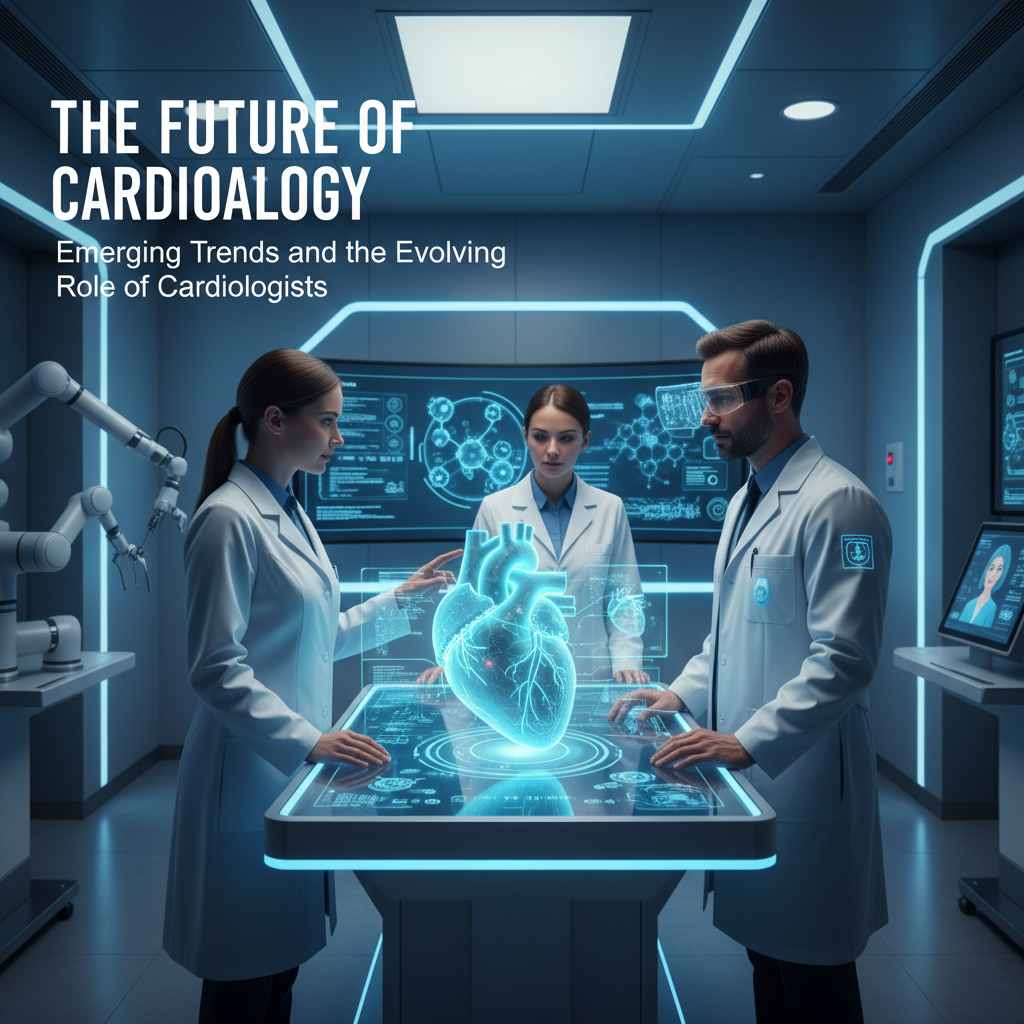
The answer to “What is a cardiologist job description in 2025?” will undoubtedly feature proficiency in emerging technologies.
AI and Machine Learning
Artificial intelligence (AI) and machine learning are revolutionizing cardiology by:
- Automating interpretation of ECGs, MRIs, and echocardiograms
- Supporting clinical decision-making with predictive analytics
- Reducing diagnostic errors and streamlining care pathways
AI’s impact already outpaces traditional approaches in some diagnostic areas, making technological fluency a vital component of the modern cardiologist job description (Jones et al., 2023).
Telemedicine
The expansion of telemedicine has transformed patient care by enabling:
- Remote monitoring of chronic cardiac conditions via wearable technology
- Virtual consultations and follow-up care
- Greater access for patients in rural or underserved communities
- Maintaining continuity of care beyond hospital settings
Proficiency in virtual platforms is now expected in both general and invasive cardiologist job descriptions (Brown, 2022).
Personalized Medicine
Personalized medicine is gaining momentum, influencing the job description of a cardiologist through:
- Utilizing genetic testing to assess inherited cardiac risk factors
- Customizing medication plans for optimal effectiveness and minimal side effects
- Delivering individualized prevention and treatment strategies
This shift shapes what is required from today’s cardiologist, moving beyond one-size-fits-all protocols towards nuanced, data-driven care (Dawson, 2024).
Focus on Preventive Care
As heart disease rates rise, preventive cardiology becomes increasingly crucial:
- Early risk assessment and proactive management for at-risk populations
- Patient counseling on nutrition, physical activity, smoking cessation, and stress management
- Community health outreach and education initiatives
A proactive approach is central to the job description of a cardiologist, requiring excellent communication and a holistic understanding of preventative healthcare (Taylor, 2023).
Challenges Facing Cardiologists
Ethical and Privacy Concerns
Emerging technologies bring critical ethical considerations, such as:
- Safeguarding patient privacy during telemedicine interactions
- Ensuring secure sharing and storage of genetic and health data
- Providing transparency and informed consent for AI-assisted diagnostics
Maintaining patient trust calls for stringent adherence to privacy standards - a key attribute for those crafting a cardiologist job description (Nguyen, 2023).
Training and Adaptation
Continuous professional development is essential for all cardiology specialties:
- Ongoing training on new devices, telehealth, and AI systems
- Keeping certifications current to reflect modern best practices
- Cultivating adaptability as technologies and standards evolve
Building teams prepared for rapid change is a cornerstone of effective recruitment and retention strategies in cardiology (Wilson & Green, 2023).
Conclusion
The modern cardiologist job description is evolving because of technological advances, changing patient needs, and the growing importance of individualized and preventive care. From general and pediatric cardiac care to the technical demands of interventional and invasive roles, today’s cardiologists must demonstrate clinical expertise, ethical stewardship, adaptability, and technological proficiency.
For HR professionals, clearly defined cardiologist job descriptions are essential for sourcing and supporting experts who will thrive amid ongoing industry transformation. Comprehensive job definitions that articulate skills, responsibilities, and growth opportunities empower teams - and ultimately patients - to succeed in the future of cardiology.
Create Clear Role Descriptions With Ease
Ready to streamline how your organization defines cardiologist roles or other key healthcare positions?
Create Clear Role Descriptions With Ease
References
American College of Cardiology. (2023). Interventional Cardiology: Current Practices and Future Perspectives. Journal of Cardiology Studies, 32(4), 250-256.
Brown, L. (2022). The Role of Telemedicine in Modern Cardiology. Cardiology Today, 15(3), 180-184.
Dawson, A. (2024). Genetic Insights and Their Impact on Cardiology. Heart Genetics Quarterly, 9(1), 45-50.
Johnson, M. (2024). Pediatric Cardiology: Innovations and Challenges. Pediatric Health Review, 21(1), 66-72.
Jones, P., Smith, R., & Lee, C. (2023). AI in Cardiology: Transforming Diagnostics. TechMed Journal, 14(2), 88-95.
Nguyen, T. (2023). Navigating Privacy in Cardiology’s Digital Age. Health Data Journal, 11(5), 210-215.
Smith, H., & Clark, J. (2023). The Role of Invasive Cardiology in the New Era. Clinical Cardiology Insights, 27(6), 340-345.
Taylor, G. (2023). Preventive Cardiology: Strategies for the Future. Preventative Medicine Bulletin, 18(2), 102-108.
Wilson, B., & Green, S. (2023). Continuous Learning in Cardiology Practice. Medical Education Insights, 6(4), 320-325.

About Nguyen Thuy Nguyen
Part-time sociology, fulltime tech enthusiast